
5-Amino-1MQ: Scientific Overview, Research Applications, and Frequently Asked Questions
What Is 5-Amino-1MQ?
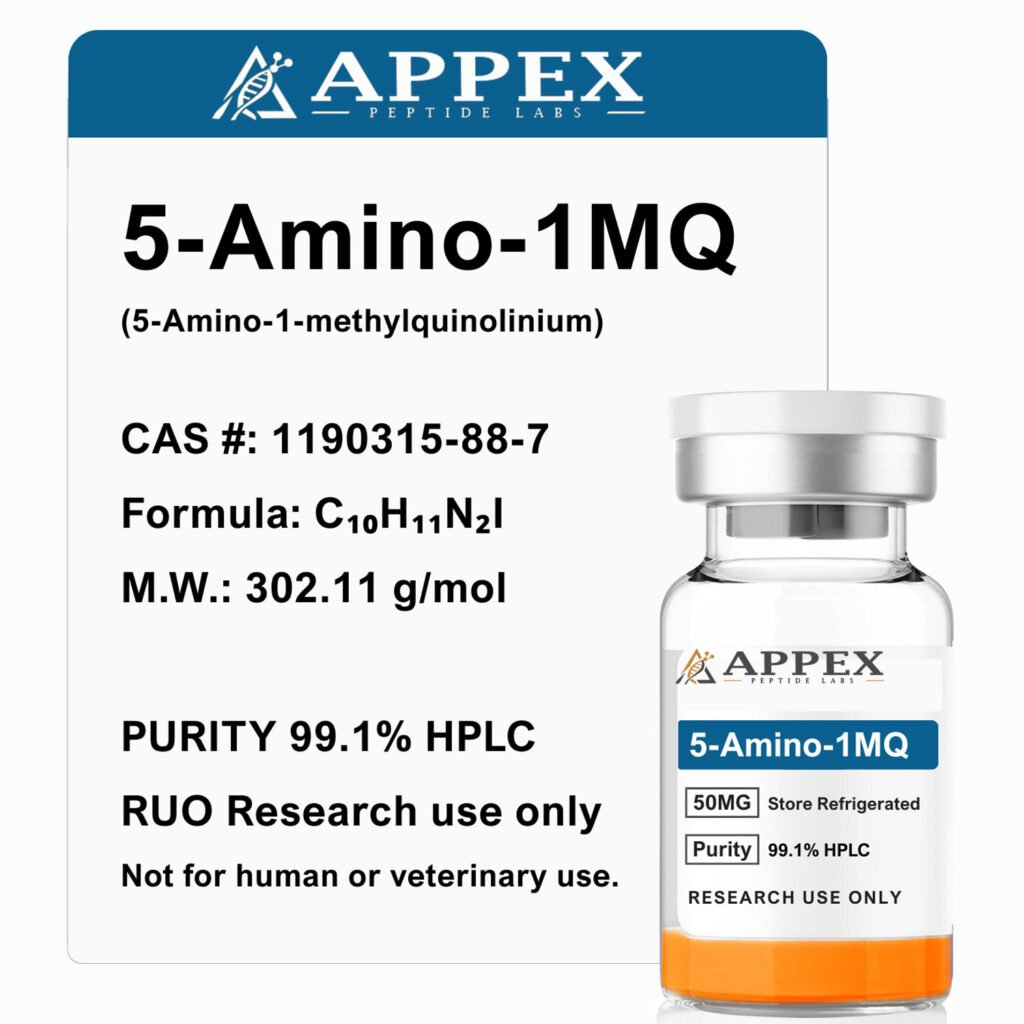
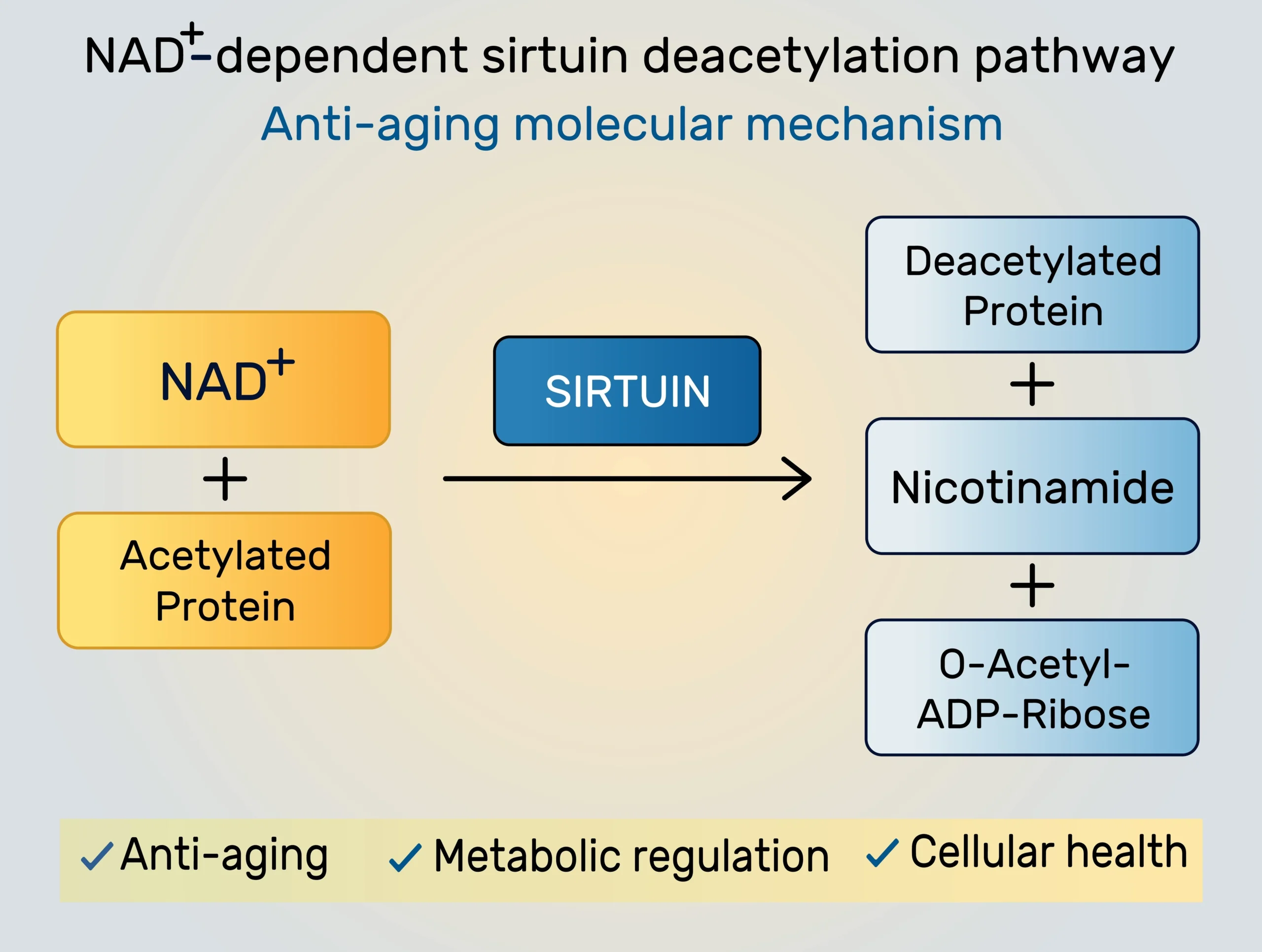
5-Amino-1MQ is a synthetic small-molecule compound that has gained attention in metabolic and cellular biology research. Although it is frequently grouped with research peptides, 5-Amino-1MQ is not a peptide. Instead, it is a small-molecule nicotinamide N-methyltransferase (NNMT) inhibitor that researchers study for its potential role in cellular metabolism, energy regulation, and adipose tissue biology.
Interest in 5-Amino-1MQ has increased among biotechnology companies, pharmaceutical researchers, and academic institutions exploring metabolic pathways, obesity-related mechanisms, and enzyme inhibition. By selectively targeting NNMT, researchers use 5-Amino-1MQ to investigate how changes in enzyme activity may influence cellular energy utilization and metabolic signaling.
At Appex Peptide Lab, research-grade compounds are supplied exclusively for laboratory research purposes and are intended for qualified professionals conducting scientific investigations.

Is 5-Amino-1MQ a Peptide?
One of the most common online searches is “5-Amino-1MQ peptide.”
Despite being marketed alongside research peptides by some suppliers, 5-Amino-1MQ is not a peptide.
The distinction is important:
| Peptides | 5-Amino-1MQ |
|---|---|
| Chains of amino acids | Small synthetic molecule |
| Act on peptide receptors | Primarily investigated as an NNMT inhibitor |
| Protein-based compounds | Non-peptide research compound |
| Common in endocrine research | Common in metabolic research |
Researchers often study 5-Amino-1MQ alongside peptides because both categories are used in metabolic and pharmaceutical research, but they belong to different classes of research compounds.
What Is 5-Amino-1MQ Used For?
People frequently search “What is 5-Amino-1MQ?” and “What is 5-Amino-1MQ used for?”
From a scientific perspective, 5-Amino-1MQ is primarily used as a research compound to investigate:
- NNMT enzyme activity
- Cellular metabolism
- Energy regulation
- Fat tissue biology
- Molecular pharmacology
- Drug discovery research
- Enzyme inhibition mechanisms
Research-grade 5-Amino-1MQ is intended for controlled laboratory investigations conducted by qualified professionals.
5-Amino-1MQ Dosage
Searches for “5-Amino-1MQ dosage” are common, but it’s important to distinguish between laboratory research protocols and consumer use.
There is no universally accepted dosage for human use.
In scientific research, dosing is determined by factors such as:
- Experimental objectives
- Laboratory protocol
- Biological model
- Institutional approvals
- Study design
- Ethical oversight
Researchers establish dosing parameters according to validated scientific methods and the specific goals of their investigations.
5-Amino-1MQ Side Effects
Another frequently searched topic is “5-Amino-1MQ side effects.”
Current scientific knowledge about 5-Amino-1MQ is based largely on preclinical and experimental research. As with many investigational compounds, researchers continue to study its biological activity and safety profile.
Because research-grade 5-Amino-1MQ is intended for laboratory investigation rather than general consumer use, no conclusions should be drawn about its safety or efficacy in humans outside appropriately designed research.
Scientists evaluating investigational compounds monitor factors such as:
- Cellular responses
- Tissue-specific effects
- Pharmacological activity
- Toxicology
- Pharmacokinetics
- Laboratory observations
Further research is needed to better understand its biological properties and safety profile in experimental settings.
5-Amino-1MQ Before and After
The phrase “5-Amino-1MQ before and after” is frequently searched online.
From a scientific standpoint, comparisons of experimental outcomes depend on:
- Study methodology
- Laboratory conditions
- Biological model
- Experimental duration
- Research endpoints
Researchers evaluate objective measurements using validated laboratory techniques rather than anecdotal observations. Results from experimental studies should not be interpreted as evidence of clinical outcomes or expected effects in people.
Choosing High-Quality 5-Amino-1MQ for Research
The quality of a research compound can significantly influence experimental reliability and reproducibility.
When sourcing 5-Amino-1MQ, laboratories should consider the following:
Analytical Testing
Reliable suppliers commonly verify compound identity and purity using analytical methods such as:
- High-Performance Liquid Chromatography (HPLC)
- Mass Spectrometry (MS)
These techniques help confirm that research materials meet established quality specifications.
Batch Consistency
Consistent manufacturing practices support reproducible research by minimizing variation between production batches.
Certificate of Analysis (COA)
A batch-specific Certificate of Analysis should include:
- Compound identity
- Purity results
- Batch number
- Analytical testing data
- Product specifications
This documentation assists laboratories with quality assurance and recordkeeping.
5-Amino-1MQ Where to Buy
Researchers looking for “5-Amino-1MQ where to buy“ should prioritize suppliers that specialize in research materials and provide transparent quality documentation.
When evaluating a supplier, consider whether they offer:
- Research-grade products
- Batch-specific Certificates of Analysis (COAs)
- Analytical testing information
- Clear product specifications
- Reliable customer support for research organizations
Appex Peptide Lab supplies research-grade compounds exclusively for laboratory research, serving universities, biotechnology companies, pharmaceutical organizations, and life science professionals.
Why Researchers Choose Appex Peptide Lab
Appex Peptide Lab is committed to supporting scientific research through:
- Research-grade compounds and peptides
- Rigorous quality control
- Transparent analytical documentation
- Batch-specific testing
- Reliable laboratory supply
- Professional service for research institutions
Our mission is to help researchers access dependable materials that support high-quality scientific investigation.