🔬 Research Use Only • 99%+ Purity • Third-Party Tested • Batch-Specific COAs • U.S.-Based Fulfillment • International Shipping Available
- U.S.-Based Fulfillment
- International Shipping
- ISO 9001 Certified
How Peptides Are Made: The information presented in this article is for educational and research purposes only, intended for laboratory professionals and scientists. This content does not constitute medical or clinical advice.
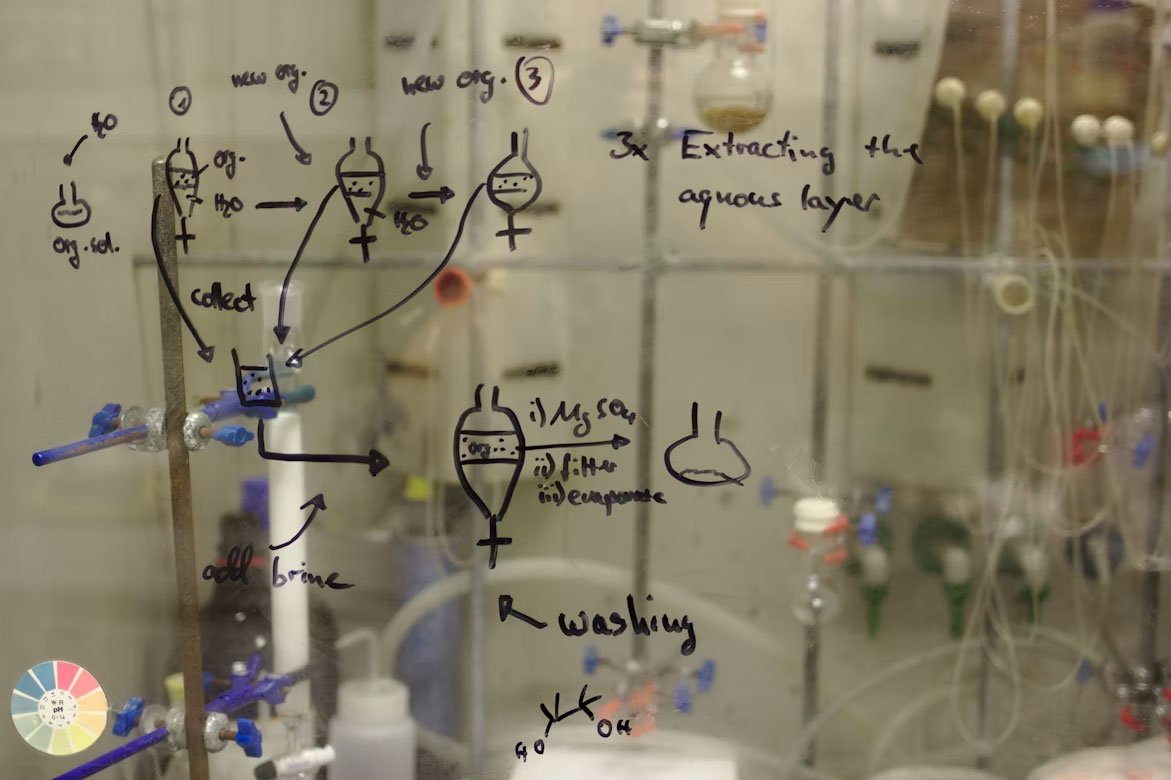
Peptide synthesis has gone from being a niche laboratory technique to a cornerstone of modern biomedical research. Today’s scientists use synthetic peptides to unlock cellular processes, develop new therapeutic targets and understand biological systems.
This guide covers the methods, technologies and considerations of peptide manufacturing. Whether you’re planning your first peptide project or evaluating synthesis options for complex research applications, understanding these basics will help you make informed decisions for your lab.
A peptide is a short chain of amino acids linked together by chemical bonds. Think of peptides as the building blocks between individual amino acids and full proteins. While a protein might have hundreds or thousands of amino acids, peptides are typically 2-50 amino acids in length.
Peptides are key to biological research. Scientists use them to study cellular processes, test new pre-clinical peptide drug targets and understand how peptides and proteins work.
Creating peptides involves several technical challenges:
Modern chemical synthesis methods have developed solutions for these challenges through improved reagents and techniques.
Four primary methods are used for modern peptide synthesis, each offering advantages for different research applications and scale requirements.
Solid-phase peptide synthesis represents the most popular method for creating peptides today. In this approach, scientists attach the growing peptide chain to a solid support material, typically tiny plastic beads.
The process works like this:
SPPS benefits include:
However, solid-phase synthesis does have limitations. The method requires large amounts of solvents and reagents, creating environmental concerns for large-scale production.
Liquid-phase synthesis offers an alternative approach where peptides are built in solution rather than on solid supports. This method uses special soluble tags that help isolate and purify the growing peptide chain.
Key advantages of LPPS:
LPPS works particularly well for shorter peptides and offers improved environmental performance compared to traditional solid-phase methods.
| Method | Best For | Key Advantage | Main Limitation |
|---|---|---|---|
| SPPS | Peptides < 80 amino acids | Reliable, automated | High solvent use |
| LPPS | Short peptides | Sustainable, scalable | Limited to shorter sequences |
| CEPS | Long peptides > 150 amino acids | Access to long sequences | Requires specific sites |
| NCL | 30-150 amino acids | Native bonds | Needs cysteine residues |
Chemo-enzymatic peptide synthesis combines chemical and biological approaches. This method uses enzymes to form peptide bonds under mild conditions, avoiding harsh chemicals needed in traditional synthesis.
CEPS excels at creating longer peptides that would be difficult to synthesize using purely chemical methods. The process produces less waste and operates under environmentally friendly conditions.
Native chemical ligation enables scientists to join peptide fragments together to create longer sequences. This method works by connecting peptide pieces through a two-step chemical reaction that forms natural peptide bonds.
NCL is particularly valuable for creating peptides between 30-150 amino acids long, filling a gap between short peptide synthesis and full protein production.
Moving from laboratory-scale synthesis to industrial peptide manufacturing presents unique challenges. Manufacturers must consider:
The synthesis of peptides for research applications requires different considerations than pharmaceutical manufacturing, but both demand consistent quality and purity.
Many research labs rely on custom peptide synthesis services rather than producing peptides in-house. These services offer:
When selecting a synthesis provider, researchers should consider factors like turnaround time, purity levels, and the provider’s experience with specific peptide sequences.
Modern peptide synthesis increasingly focuses on reducing environmental impact while maintaining high quality standards.
Traditional phase peptide synthesis methods can generate significant waste. Modern approaches focus on:
Process Mass Intensity calculations show that traditional methods often require 100-1000 kg of materials to produce 1 kg of peptide product, highlighting the need for more sustainable approaches.
Emerging technologies offer more environmentally friendly options:
Ensuring peptide quality requires sophisticated analytical techniques:
These methods help identify impurities like deletion sequences, truncated products, and chemical modifications that can occur during synthesis.
Most synthetic peptides require purification to remove:
Preparative HPLC remains the most common purification method, though alternative techniques like crystallization and membrane separations are gaining attention.
Peptides serve as valuable tools for studying larger proteins. Researchers use synthetic peptides to:
Peptide research contributes to pharmaceutical development through:
The ability to precisely control peptide sequence and modifications makes synthetic peptides invaluable for these pre-clinical applications.
Several exciting developments are shaping the future of peptide synthesis:
New applications continue to emerge:
When selecting a synthesis approach, researchers should evaluate:
Successful peptide projects require clear communication about:
The best synthesis partners offer technical expertise, quality assurance, and support throughout the research process.
Peptide synthesis has evolved from simple laboratory techniques to sophisticated manufacturing processes that support cutting-edge research worldwide. Whether you need short peptides for basic studies or complex sequences for advanced applications, modern synthesis methods offer reliable solutions.
Understanding the strengths and limitations of different approaches helps researchers make informed decisions about their peptide needs. As the field continues advancing toward more sustainable and efficient methods, the future of peptide synthesis looks brighter than ever.
The key to successful peptide research lies in choosing the right synthesis method for your specific application and working with experienced providers who understand both the science and the practical requirements of high-quality peptide production.
