
What Is the GLP-1 Pathway? A Research-Based Explanation
What Is the GLP-1 Pathway?
The GLP-1 pathway refers to the biological signaling network initiated by glucagon-like peptide-1 (GLP-1), a naturally occurring incretin hormone produced primarily by intestinal L cells after nutrient intake.
GLP-1 acts as a signaling molecule that binds to GLP-1 receptors, which are found in multiple tissues throughout the body, including the pancreas, gastrointestinal tract, cardiovascular system, kidneys, and certain regions of the brain.
Rather than functioning in isolation, the GLP-1 pathway interacts with numerous hormonal and metabolic systems, making it a key area of interest in biomedical research.
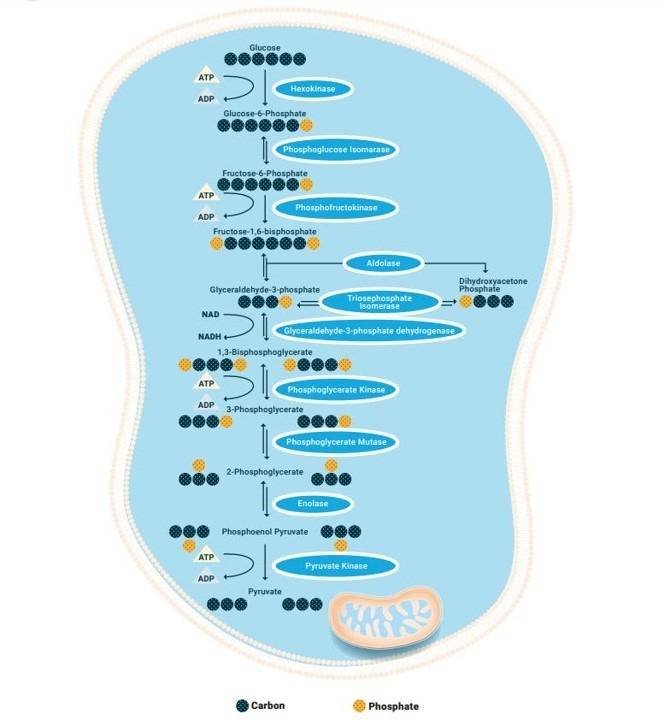
Understanding GLP-1 Biology
GLP-1 belongs to a family of peptide hormones known as incretins, which help coordinate communication between the digestive system and other organs.
Researchers study GLP-1 because it contributes to several physiological processes, including:
- Hormonal signaling
- Glucose regulation
- Pancreatic function
- Gastrointestinal physiology
- Cellular metabolism
- Appetite-related signaling
- Energy balance
Understanding these interconnected pathways helps scientists develop a more comprehensive picture of metabolic regulation.
Why Is the GLP-1 Pathway Important in Research?
The GLP-1 pathway serves as an important model for studying how peptide hormones regulate biological systems.
Scientists investigate this pathway to better understand:
Metabolic Regulation
Researchers examine how GLP-1 signaling contributes to maintaining metabolic homeostasis and coordinating hormonal responses.
Endocrine Communication
The GLP-1 pathway demonstrates how peptide hormones facilitate communication between organs, offering insights into endocrine system function.
Cell Signaling
GLP-1 receptor activation provides researchers with an opportunity to study receptor-mediated signaling mechanisms and intracellular communication.
Drug Discovery
The pathway has become an important focus in pharmaceutical research aimed at understanding receptor biology and developing novel peptide-based compounds.
GLP-1 Receptor Research
The GLP-1 receptor (GLP-1R) is a G protein-coupled receptor (GPCR) that plays a central role in GLP-1 signaling.
Research involving GLP-1 receptors includes investigations into:
- Receptor activation
- Signal transduction
- Ligand binding
- Receptor regulation
- Cellular response mechanisms
- Molecular pharmacology
Studying receptor biology helps scientists understand how peptide hormones influence cellular behavior
Research Applications of the GLP-1 Pathway
The GLP-1 pathway is relevant to a broad range of scientific disciplines.
SHOP GLP-1 PEPTIDEMetabolic Research
Scientists investigate GLP-1 signaling to better understand energy metabolism, nutrient sensing, and endocrine regulation.
Molecular Biology
Researchers examine how GLP-1 receptors interact with intracellular proteins to regulate gene expression and cellular activity.
Pharmaceutical Development
Drug discovery programs often use GLP-1 pathway research to identify new therapeutic targets and optimize peptide-based molecules.
Biotechnology Research
Biotechnology companies study GLP-2 signaling while developing innovative biological compounds and laboratory technologies.
Neuroscience
GLP-1 receptors located within the central nervous system continue to be investigated for their role in neuroendocrine communication and brain signaling.
Common Research Peptides Associated with the GLP-1 Pathway
Several research compounds have been developed to investigate GLP-1 receptor biology.
Examples include:
- Semaglutide
- Tirzepatide*
- Liraglutide
- Dulaglutide
- Exenatide
*Although tirzepatide also targets GIP receptors, it is frequently studied alongside GLP-1 receptor research because of its dual receptor activity.
These compounds are valuable tools for laboratory investigations into receptor pharmacology and metabolic signaling.
Why Research-Grade Materials Matter
Reliable scientific findings depend on high-quality research materials.
When sourcing peptides or research compounds related to GLP-1 biology, laboratories should prioritize suppliers that provide:
- High-purity research materials
- Batch-specific Certificates of Analysis (COAs)
- High-Performance Liquid Chromatography (HPLC) testing
- Mass Spectrometry (MS) verification
- Transparent manufacturing standards
- Consistent batch quality
These quality measures help support reproducible and trustworthy research outcomes.
Why Researchers Choose Appex Peptide Lab
Appex Peptide Lab supplies research-grade peptides and compounds exclusively for scientific and laboratory research.
Researchers across universities, biotechnology companies, pharmaceutical organizations, and life science institutions choose Appex Peptide Lab for:
- Research-grade peptide quality
- Rigorous analytical testing
- Batch-specific documentation
- Transparent product specifications
- Reliable laboratory support
Our commitment to quality helps researchers conduct experiments with confidence and consistency.
Frequently Asked Questions
What is the GLP-The GLP-1 pathway is a biological signaling system initiated by the incretin hormone glucagon-like peptide-1, which binds to GLP-1 receptors and influences various metabolic and endocrine processes.
Scientists study GLP-1 signaling to investigate receptor biology, metabolic regulation, endocrine communication, and molecular pharmacology.
The pathway provides valuable insights into peptide hormone signaling, receptor activation, cellular communication, and metabolic physiology, making it a major focus of biomedical research.
The GLP-1 receptor is a G protein-coupled receptor that mediates the biological effects of glucagon-like peptide-1 by activating intracellular signaling pathways.
Research-grade peptides supplied by Appex Peptide Lab are intended exclusively for laboratory research conducted by qualified professionals. They are not marketed for human consumption or therapeutic use.