Bulk Orders. Better Value.
Research institutions, universities and clinical teams qualify for volume discounts. Contact our team to discuss custom formulations and bulk pricing.

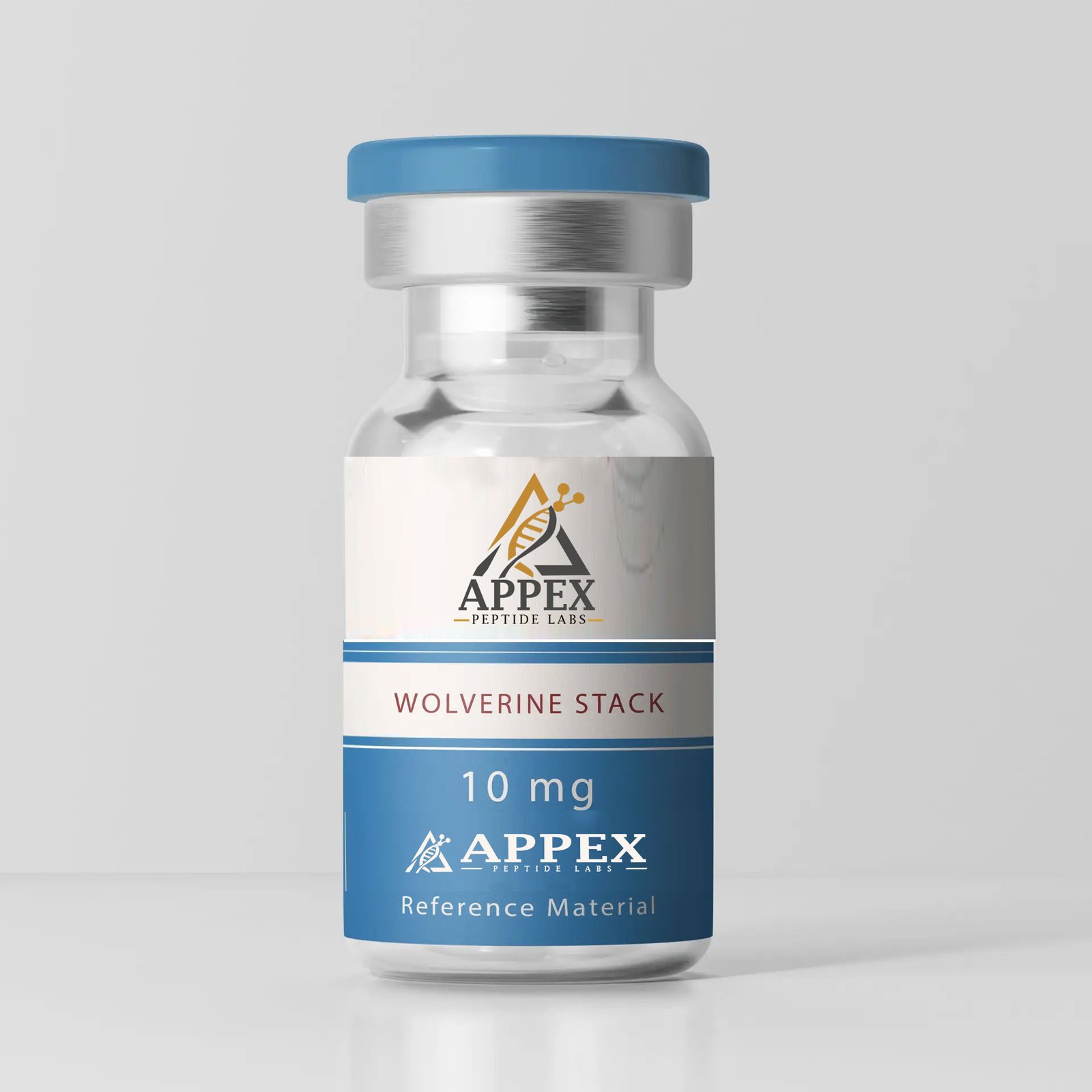
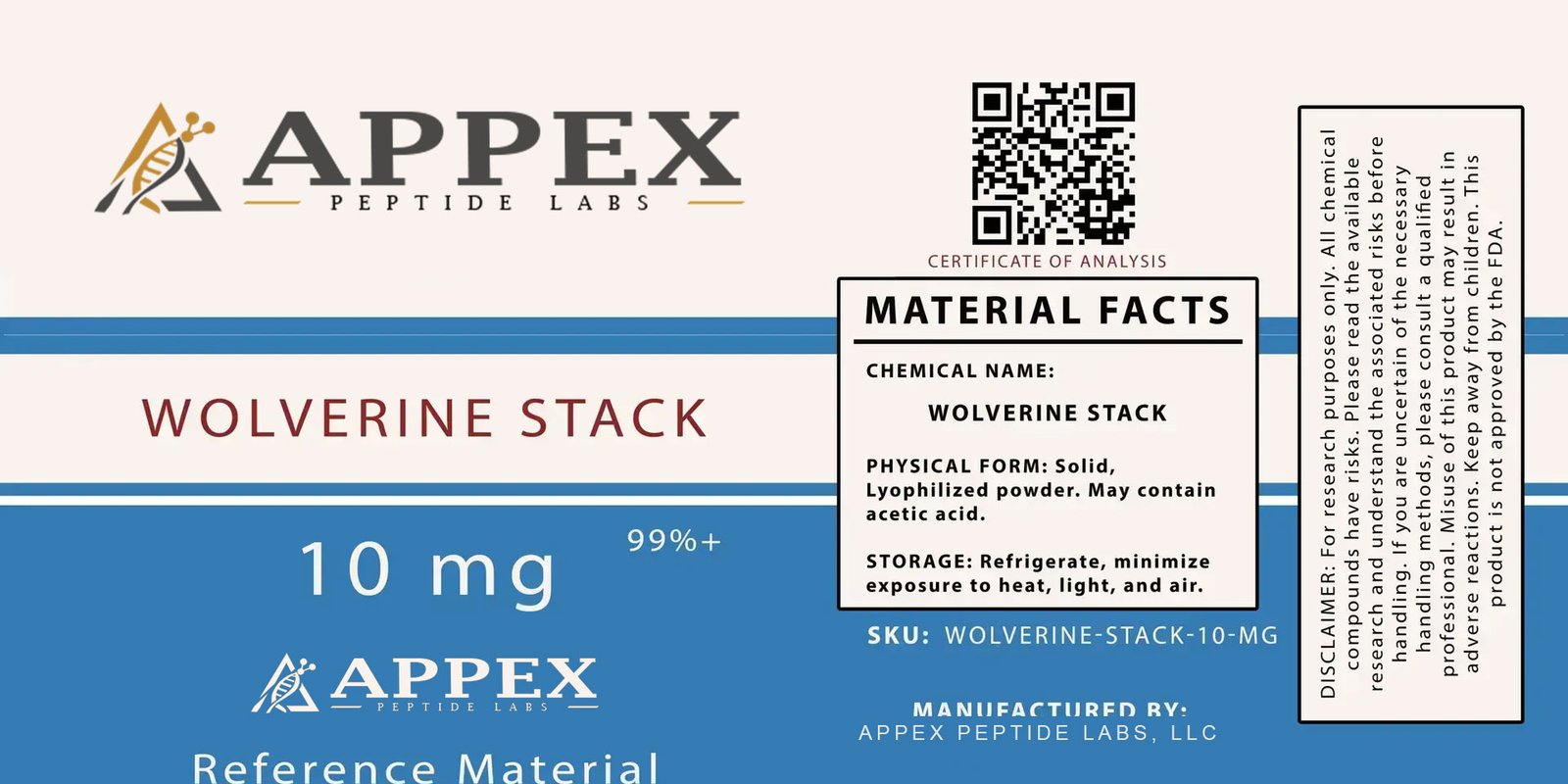
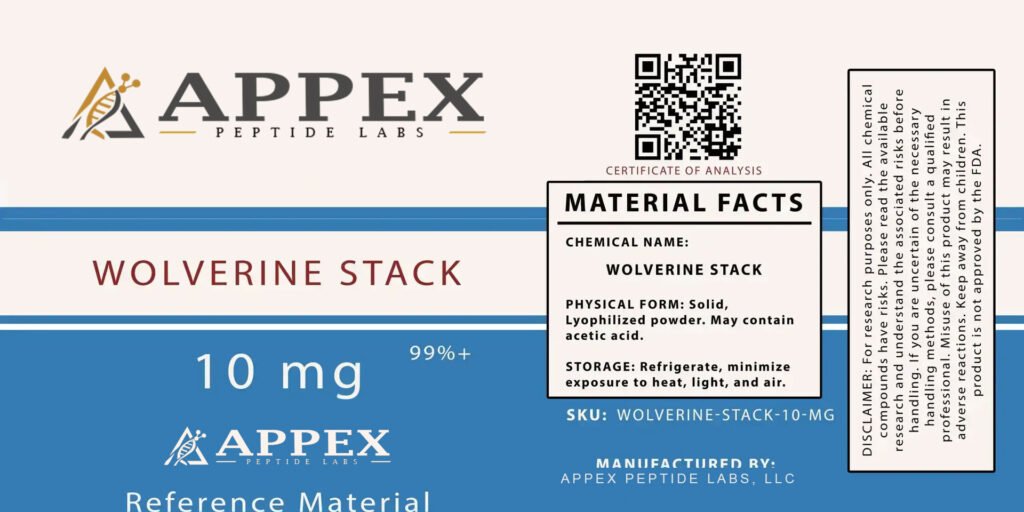
Wolverine Blend Peptide combines two of the most extensively studied research peptides in regenerative biology: BPC-157, a synthetic pentadecapeptide investigated for extracellular matrix signaling and nitric oxide regulation, and TB-500, a synthetic fragment derived from thymosin beta-4 that is widely examined for its influence on actin dynamics and cellular migration. Together, these peptides provide researchers with a versatile experimental model for investigating coordinated tissue remodeling pathways.
The combination enables simultaneous evaluation of multiple biological processes, including angiogenesis, fibroblast activity, collagen deposition, cytoskeletal reorganization, endothelial cell migration, and intracellular signaling associated with tissue maintenance. Because each peptide targets complementary molecular pathways, researchers frequently utilize this blend when studying complex biological interactions that cannot be fully characterized through single-peptide investigations.
At Appex Peptide Lab, Wolverine Blend is synthesized using stringent manufacturing protocols to ensure exceptional purity, identity, and batch consistency. Each lot undergoes comprehensive analytical verification through validated laboratory methods before release, providing researchers with reproducible materials suitable for demanding experimental protocols.
Trusted by universities, biotechnology companies, pharmaceutical organizations, and regenerative biology laboratories throughout the United States, Canada, and Australia, Wolverine Blend supports advanced investigations in peptide pharmacology, molecular biology, and tissue signaling research.
Researchers investigating regenerative biology require analytically verified peptide formulations capable of producing reproducible experimental outcomes.
Researchers choose Wolverine Blend because it provides:
Laboratory investigations examining collagen organization, extracellular matrix remodeling, and connective tissue biology.
Studies evaluating endothelial cell activity, vascular signaling pathways, and angiogenic molecular mechanisms.
Experimental investigations involving actin polymerization, cytoskeletal remodeling, cellular architecture, and structural protein interactions.
Research examining fibroblast migration, endothelial cell movement, wound model characterization, and tissue remodeling pathways.
Studies exploring nitric oxide-mediated cellular communication, vascular signaling, and intracellular regulatory mechanisms.
Research involving tendon, ligament, muscle, and extracellular protein interactions within controlled laboratory systems.
Experimental investigations evaluating peptide stability, molecular interactions, receptor-independent signaling, and structure-function relationships.
Studies focused on coordinated signaling pathways involved in cellular maintenance, matrix biology, and experimental tissue remodeling.
| Specification | Details |
|---|---|
| Product Name | Wolverine Blend Peptide |
| Composition | BPC-157 (5 mg) + TB-500 (5 mg) |
| Available Sizes | 10 mg, 20 mg, 30 mg |
| Purity | ≥98% each peptide (HPLC Verified) |
| Peptide Type | Synthetic Dual-Peptide Research Blend |
| Molecular Formula | Blend of two synthetic peptides |
| Molecular Weight | BPC-157: ~1419.5 Da; TB-500 (Ac-LKKTETQ): ~889 Da |
| CAS Number | BPC-157: Not officially assigned; TB-500 Fragment: Not officially assigned |
| Appearance | White to off-white lyophilized powder |
| Solubility | Soluble in laboratory-grade sterile water and appropriate aqueous research buffers |
| Storage Conditions | Store unopened at -20°C. Protect from heat, moisture, direct light, and repeated freeze-thaw cycles. |
| Sequence | BPC-157: Synthetic pentadecapeptide (15 amino acids). TB-500: Ac-Lys-Lys-Thr-Glu-Thr-Gln (Ac-LKKTETQ). |
Within laboratory research, Wolverine Blend is investigated as a complementary peptide formulation designed to examine multiple interconnected biological pathways involved in cellular organization, extracellular matrix regulation, and tissue remodeling. Rather than acting through a single receptor system, the blend allows researchers to study how two distinct peptide signaling profiles interact within controlled experimental environments.
BPC-157 is widely investigated for its influence on nitric oxide signaling, vascular endothelial growth factor (VEGF)-associated pathways, fibroblast activity, and extracellular matrix regulation. Experimental studies examine its interactions with signaling molecules involved in collagen synthesis, cytoskeletal organization, focal adhesion complexes, and cellular migration. Researchers also investigate molecular responses involving integrins, growth factor communication, and intracellular kinase signaling associated with connective tissue biology.
TB-500, a synthetic active fragment derived from thymosin beta-4, is primarily studied for its interaction with G-actin, where it contributes to investigations of actin sequestration, cytoskeletal remodeling, and cell motility. Laboratory models evaluate its influence on endothelial cell migration, fibroblast movement, angiogenic signaling, cytoskeletal plasticity, and structural protein organization. These investigations frequently include analysis of VEGF-mediated pathways, matrix remodeling proteins, and intracellular signaling networks that regulate cellular architecture.
When combined, Wolverine Blend provides researchers with an experimental platform for evaluating coordinated molecular events involving extracellular matrix remodeling, collagen organization, cytoskeletal dynamics, angiogenesis-related signaling, nitric oxide regulation, and cellular migration. Ongoing studies also investigate transcriptional responses, kinase activation, peptide stability, and integrated signaling mechanisms that contribute to tissue organization within experimental models.
The complementary biological profiles of BPC-157 and TB-500 make Wolverine Blend a valuable research tool across molecular biology, peptide pharmacology, regenerative biology, and cellular physiology. All investigations involving this product are intended exclusively for laboratory research.
For research use only. Not intended for human consumption or clinical use.
| Size | 10mg, 20mg |
|---|---|
| Weight | .125 lbs |
| Dimensions | 9 × 7 × .5 in |
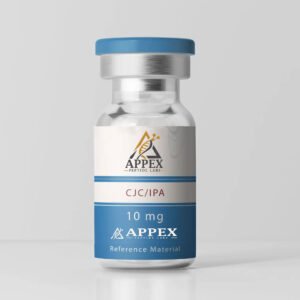
Wolverine Blend Peptide combines two of the most extensively studied research peptides in regenerative biology: BPC-157, a synthetic pentadecapeptide investigated for extracellular matrix signaling and nitric oxide regulation, and TB-500, a synthetic fragment derived from thymosin beta-4 that is widely examined for its influence on actin dynamics and cellular migration. Together, these peptides provide researchers with a versatile experimental model for investigating coordinated tissue remodeling pathways.
The combination enables simultaneous evaluation of multiple biological processes, including angiogenesis, fibroblast activity, collagen deposition, cytoskeletal reorganization, endothelial cell migration, and intracellular signaling associated with tissue maintenance. Because each peptide targets complementary molecular pathways, researchers frequently utilize this blend when studying complex biological interactions that cannot be fully characterized through single-peptide investigations.
At Appex Peptide Lab, Wolverine Blend is synthesized using stringent manufacturing protocols to ensure exceptional purity, identity, and batch consistency. Each lot undergoes comprehensive analytical verification through validated laboratory methods before release, providing researchers with reproducible materials suitable for demanding experimental protocols.
Trusted by universities, biotechnology companies, pharmaceutical organizations, and regenerative biology laboratories throughout the United States, Canada, and Australia, Wolverine Blend supports advanced investigations in peptide pharmacology, molecular biology, and tissue signaling research.
Researchers investigating regenerative biology require analytically verified peptide formulations capable of producing reproducible experimental outcomes.
Researchers choose Wolverine Blend because it provides:
Laboratory investigations examining collagen organization, extracellular matrix remodeling, and connective tissue biology.
Studies evaluating endothelial cell activity, vascular signaling pathways, and angiogenic molecular mechanisms.
Experimental investigations involving actin polymerization, cytoskeletal remodeling, cellular architecture, and structural protein interactions.
Research examining fibroblast migration, endothelial cell movement, wound model characterization, and tissue remodeling pathways.
Studies exploring nitric oxide-mediated cellular communication, vascular signaling, and intracellular regulatory mechanisms.
Research involving tendon, ligament, muscle, and extracellular protein interactions within controlled laboratory systems.
Experimental investigations evaluating peptide stability, molecular interactions, receptor-independent signaling, and structure-function relationships.
Studies focused on coordinated signaling pathways involved in cellular maintenance, matrix biology, and experimental tissue remodeling.
| Specification | Details |
|---|---|
| Product Name | Wolverine Blend Peptide |
| Composition | BPC-157 (5 mg) + TB-500 (5 mg) |
| Available Sizes | 10 mg, 20 mg, 30 mg |
| Purity | ≥98% each peptide (HPLC Verified) |
| Peptide Type | Synthetic Dual-Peptide Research Blend |
| Molecular Formula | Blend of two synthetic peptides |
| Molecular Weight | BPC-157: ~1419.5 Da; TB-500 (Ac-LKKTETQ): ~889 Da |
| CAS Number | BPC-157: Not officially assigned; TB-500 Fragment: Not officially assigned |
| Appearance | White to off-white lyophilized powder |
| Solubility | Soluble in laboratory-grade sterile water and appropriate aqueous research buffers |
| Storage Conditions | Store unopened at -20°C. Protect from heat, moisture, direct light, and repeated freeze-thaw cycles. |
| Sequence | BPC-157: Synthetic pentadecapeptide (15 amino acids). TB-500: Ac-Lys-Lys-Thr-Glu-Thr-Gln (Ac-LKKTETQ). |
Within laboratory research, Wolverine Blend is investigated as a complementary peptide formulation designed to examine multiple interconnected biological pathways involved in cellular organization, extracellular matrix regulation, and tissue remodeling. Rather than acting through a single receptor system, the blend allows researchers to study how two distinct peptide signaling profiles interact within controlled experimental environments.
BPC-157 is widely investigated for its influence on nitric oxide signaling, vascular endothelial growth factor (VEGF)-associated pathways, fibroblast activity, and extracellular matrix regulation. Experimental studies examine its interactions with signaling molecules involved in collagen synthesis, cytoskeletal organization, focal adhesion complexes, and cellular migration. Researchers also investigate molecular responses involving integrins, growth factor communication, and intracellular kinase signaling associated with connective tissue biology.
TB-500, a synthetic active fragment derived from thymosin beta-4, is primarily studied for its interaction with G-actin, where it contributes to investigations of actin sequestration, cytoskeletal remodeling, and cell motility. Laboratory models evaluate its influence on endothelial cell migration, fibroblast movement, angiogenic signaling, cytoskeletal plasticity, and structural protein organization. These investigations frequently include analysis of VEGF-mediated pathways, matrix remodeling proteins, and intracellular signaling networks that regulate cellular architecture.
When combined, Wolverine Blend provides researchers with an experimental platform for evaluating coordinated molecular events involving extracellular matrix remodeling, collagen organization, cytoskeletal dynamics, angiogenesis-related signaling, nitric oxide regulation, and cellular migration. Ongoing studies also investigate transcriptional responses, kinase activation, peptide stability, and integrated signaling mechanisms that contribute to tissue organization within experimental models.
The complementary biological profiles of BPC-157 and TB-500 make Wolverine Blend a valuable research tool across molecular biology, peptide pharmacology, regenerative biology, and cellular physiology. All investigations involving this product are intended exclusively for laboratory research.
For research use only. Not intended for human consumption or clinical use.
| Size | 10mg, 20mg |
|---|---|
| Weight | .125 lbs |
| Dimensions | 9 × 7 × .5 in |