Bulk Orders. Better Value.
Research institutions, universities and clinical teams qualify for volume discounts. Contact our team to discuss custom formulations and bulk pricing.

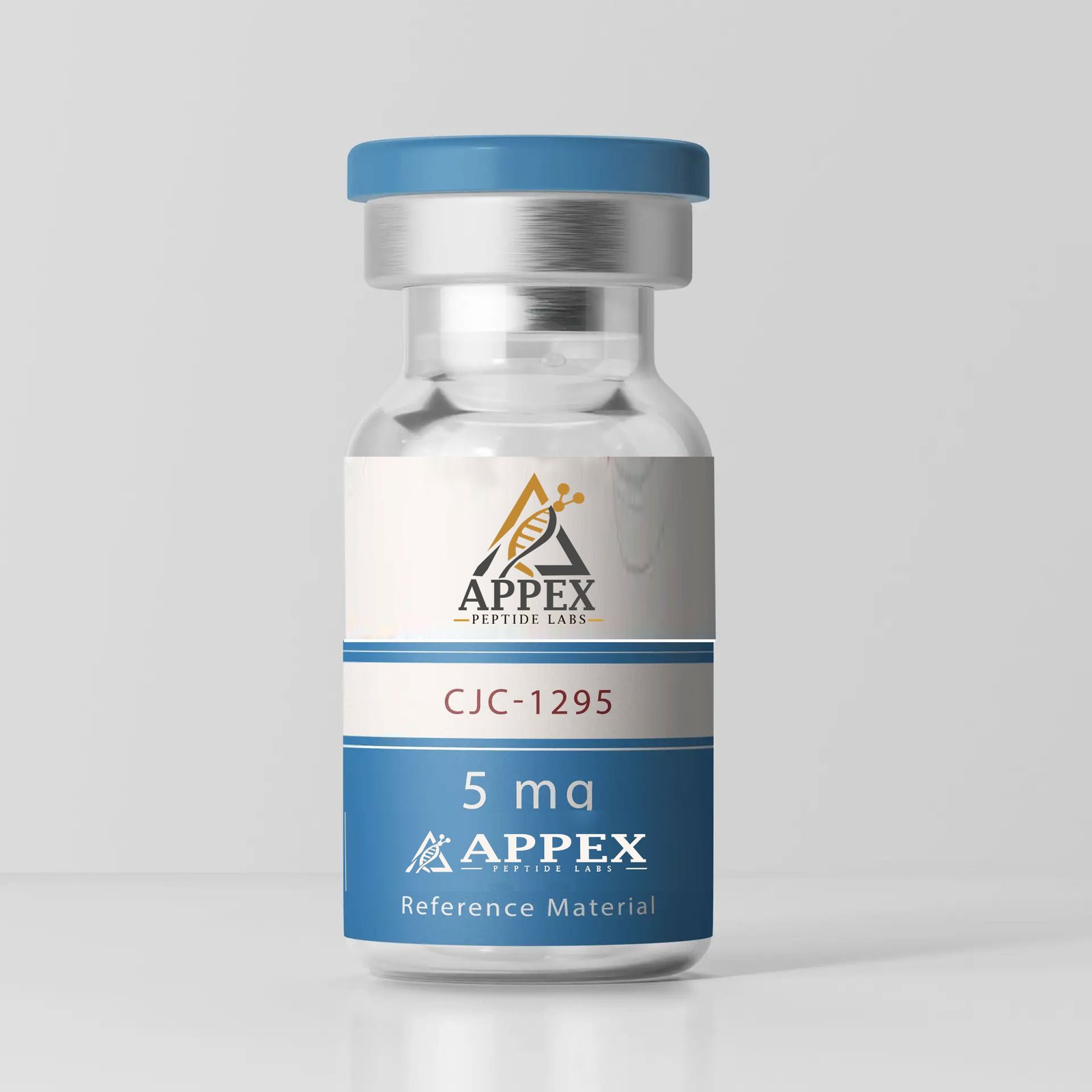


CJC-1295 (without DAC) Peptide is a tetrasubstituted analog of GHRH (1-29) designed to improve resistance to enzymatic degradation while maintaining the short biological activity characteristic of native growth hormone-releasing hormone. Unlike CJC-1295 with Drug Affinity Complex (DAC), this modified peptide does not contain an albumin-binding moiety, making it particularly valuable for laboratory investigations that require transient receptor activation and precise temporal control of signaling.
Scientific investigations utilize CJC-1295 (without DAC) across endocrinology, molecular pharmacology, receptor biology, peptide chemistry, and neuroendocrine research. Laboratory studies commonly evaluate GHRH receptor activation, cyclic AMP signaling, intracellular calcium mobilization, receptor trafficking, endocrine communication, and peptide pharmacodynamics. Researchers also investigate the physiological regulation of pituitary somatotroph cells, receptor desensitization, and signal termination using controlled experimental models.
Its short duration of receptor engagement enables detailed examination of pulsatile endocrine signaling and comparative studies with longer-acting GHRH analogs. Universities, biotechnology companies, pharmaceutical organizations, and life science laboratories frequently utilize CJC-1295 (without DAC) as a reference peptide for receptor pharmacology and endocrine pathway research.
Each batch is synthesized under rigorous quality-controlled manufacturing procedures, analytically verified for purity and sequence integrity, and supplied as a stable lyophilized peptide accompanied by a comprehensive Certificate of Analysis to ensure reproducible laboratory investigations.
For research use only. Not intended for human consumption or clinical use.

CJC-1295 (without DAC) Peptide is extensively utilized in laboratory investigations examining GHRH receptor activation, ligand binding kinetics, receptor internalization, receptor trafficking, and GPCR pharmacology.
Researchers employ CJC-1295 (without DAC) to investigate pulsatile endocrine communication, pituitary signaling, hypothalamic regulation, intracellular messenger systems, and neuroendocrine pathway dynamics.
Experimental models utilize the peptide to study cyclic AMP production, protein kinase A activation, calcium signaling, CREB phosphorylation, and transcriptional regulation in pituitary cells.
Scientists investigate receptor affinity, signal amplification, desensitization mechanisms, ligand efficacy, receptor recycling, and comparative pharmacological characteristics between short-acting and long-acting GHRH analogs.
Laboratory investigations incorporate CJC-1295 (without DAC) into studies examining pituitary endocrine regulation, peptide-mediated signaling, feedback mechanisms, and temporal dynamics of receptor activation.
Researchers utilize CJC-1295 (without DAC) for analytical characterization, formulation development, peptide stability studies, medicinal chemistry, and structure-activity relationship investigations.
| Specification | Details |
|---|---|
| Product Name | CJC-1295 (without DAC) Peptide |
| Synonyms | Modified GRF (1-29), Mod GRF 1-29 |
| Purity | ≥99% (HPLC Verified) |
| Molecular Formula | Sequence-specific synthetic peptide |
| Molecular Weight | Approximately 3,364 Da |
| CAS Number | 446262-90-4 |
| Sequence | Tyr-D-Ala-Asp-Ala-Ile-Phe-Thr-Gln-Ser-Tyr-Arg-Lys-Val-Leu-Ala-Gln-Leu-Ser-Ala-Arg-Lys-Leu-Leu-Gln-Asp-Ile-Leu-Ser-Arg-NH₂ |
| Appearance | White to off-white lyophilized powder |
| Solubility | Soluble in sterile bacteriostatic water and laboratory-grade aqueous buffers |
| Storage Conditions | Store lyophilized peptide at 2–8°C. For long-term storage, maintain at −20°C in a dry, light-protected environment. Avoid repeated freeze-thaw cycles following reconstitution. |
| Available Sizes | 5 mg, 10 mg |
CJC-1295 (without DAC) Peptide, commonly referred to as Modified GRF (1-29), is a synthetic analog of the biologically active N-terminal region of growth hormone-releasing hormone (GHRH). Four strategically introduced amino acid substitutions improve resistance to proteolytic degradation while preserving the peptide’s ability to bind and activate the growth hormone-releasing hormone receptor (GHRHR). Unlike CJC-1295 with Drug Affinity Complex (DAC), this peptide lacks an albumin-binding domain, resulting in transient receptor engagement that closely mimics physiological GHRH signaling.
Upon binding to the GHRH receptor, a Class B G protein-coupled receptor (GPCR) expressed on anterior pituitary somatotroph cells, CJC-1295 (without DAC) activates the Gs protein–adenylyl cyclase pathway, increasing intracellular cyclic AMP (cAMP) concentrations. Elevated cAMP activates protein kinase A (PKA), initiating phosphorylation of downstream signaling proteins that regulate gene transcription, endocrine cell communication, and receptor-mediated intracellular responses.
Published laboratory investigations have demonstrated activation of additional signaling pathways including CREB, MAPK/ERK, intracellular calcium mobilization, and calcium/calmodulin-dependent signaling cascades. Researchers investigate these molecular events because they contribute to receptor pharmacology, transcriptional regulation, peptide-mediated signal amplification, and cellular communication within pituitary experimental systems.
The absence of the DAC modification provides a relatively short biological half-life, allowing researchers to evaluate receptor activation, signal initiation, receptor desensitization, recycling, and termination under tightly controlled laboratory conditions. This pharmacokinetic profile makes Modified GRF (1-29) particularly useful for investigations requiring discrete pulses of receptor stimulation rather than prolonged receptor occupancy.
Its well-characterized molecular structure, reproducible biochemical properties, and defined receptor pharmacology have established CJC-1295 (without DAC) Peptide as an important research reagent for endocrinology, molecular biology, receptor pharmacology, peptide chemistry, biotechnology, and life science laboratories investigating GHRH receptor signaling and neuroendocrine communication.
For research use only. Not intended for human consumption or clinical use.
| Size | 10mg, 5mg |
|---|---|
| Dimensions | 9 × 7 × .5 in |
| Weight | .125 lbs |
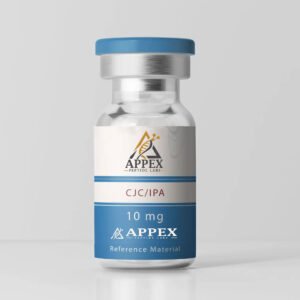
CJC-1295 (without DAC) Peptide is a tetrasubstituted analog of GHRH (1-29) designed to improve resistance to enzymatic degradation while maintaining the short biological activity characteristic of native growth hormone-releasing hormone. Unlike CJC-1295 with Drug Affinity Complex (DAC), this modified peptide does not contain an albumin-binding moiety, making it particularly valuable for laboratory investigations that require transient receptor activation and precise temporal control of signaling.
Scientific investigations utilize CJC-1295 (without DAC) across endocrinology, molecular pharmacology, receptor biology, peptide chemistry, and neuroendocrine research. Laboratory studies commonly evaluate GHRH receptor activation, cyclic AMP signaling, intracellular calcium mobilization, receptor trafficking, endocrine communication, and peptide pharmacodynamics. Researchers also investigate the physiological regulation of pituitary somatotroph cells, receptor desensitization, and signal termination using controlled experimental models.
Its short duration of receptor engagement enables detailed examination of pulsatile endocrine signaling and comparative studies with longer-acting GHRH analogs. Universities, biotechnology companies, pharmaceutical organizations, and life science laboratories frequently utilize CJC-1295 (without DAC) as a reference peptide for receptor pharmacology and endocrine pathway research.
Each batch is synthesized under rigorous quality-controlled manufacturing procedures, analytically verified for purity and sequence integrity, and supplied as a stable lyophilized peptide accompanied by a comprehensive Certificate of Analysis to ensure reproducible laboratory investigations.
For research use only. Not intended for human consumption or clinical use.
CJC-1295 (without DAC) Peptide is extensively utilized in laboratory investigations examining GHRH receptor activation, ligand binding kinetics, receptor internalization, receptor trafficking, and GPCR pharmacology.
Researchers employ CJC-1295 (without DAC) to investigate pulsatile endocrine communication, pituitary signaling, hypothalamic regulation, intracellular messenger systems, and neuroendocrine pathway dynamics.
Experimental models utilize the peptide to study cyclic AMP production, protein kinase A activation, calcium signaling, CREB phosphorylation, and transcriptional regulation in pituitary cells.
Scientists investigate receptor affinity, signal amplification, desensitization mechanisms, ligand efficacy, receptor recycling, and comparative pharmacological characteristics between short-acting and long-acting GHRH analogs.
Laboratory investigations incorporate CJC-1295 (without DAC) into studies examining pituitary endocrine regulation, peptide-mediated signaling, feedback mechanisms, and temporal dynamics of receptor activation.
Researchers utilize CJC-1295 (without DAC) for analytical characterization, formulation development, peptide stability studies, medicinal chemistry, and structure-activity relationship investigations.
| Specification | Details |
|---|---|
| Product Name | CJC-1295 (without DAC) Peptide |
| Synonyms | Modified GRF (1-29), Mod GRF 1-29 |
| Purity | ≥99% (HPLC Verified) |
| Molecular Formula | Sequence-specific synthetic peptide |
| Molecular Weight | Approximately 3,364 Da |
| CAS Number | 446262-90-4 |
| Sequence | Tyr-D-Ala-Asp-Ala-Ile-Phe-Thr-Gln-Ser-Tyr-Arg-Lys-Val-Leu-Ala-Gln-Leu-Ser-Ala-Arg-Lys-Leu-Leu-Gln-Asp-Ile-Leu-Ser-Arg-NH₂ |
| Appearance | White to off-white lyophilized powder |
| Solubility | Soluble in sterile bacteriostatic water and laboratory-grade aqueous buffers |
| Storage Conditions | Store lyophilized peptide at 2–8°C. For long-term storage, maintain at −20°C in a dry, light-protected environment. Avoid repeated freeze-thaw cycles following reconstitution. |
| Available Sizes | 5 mg, 10 mg |
CJC-1295 (without DAC) Peptide, commonly referred to as Modified GRF (1-29), is a synthetic analog of the biologically active N-terminal region of growth hormone-releasing hormone (GHRH). Four strategically introduced amino acid substitutions improve resistance to proteolytic degradation while preserving the peptide’s ability to bind and activate the growth hormone-releasing hormone receptor (GHRHR). Unlike CJC-1295 with Drug Affinity Complex (DAC), this peptide lacks an albumin-binding domain, resulting in transient receptor engagement that closely mimics physiological GHRH signaling.
Upon binding to the GHRH receptor, a Class B G protein-coupled receptor (GPCR) expressed on anterior pituitary somatotroph cells, CJC-1295 (without DAC) activates the Gs protein–adenylyl cyclase pathway, increasing intracellular cyclic AMP (cAMP) concentrations. Elevated cAMP activates protein kinase A (PKA), initiating phosphorylation of downstream signaling proteins that regulate gene transcription, endocrine cell communication, and receptor-mediated intracellular responses.
Published laboratory investigations have demonstrated activation of additional signaling pathways including CREB, MAPK/ERK, intracellular calcium mobilization, and calcium/calmodulin-dependent signaling cascades. Researchers investigate these molecular events because they contribute to receptor pharmacology, transcriptional regulation, peptide-mediated signal amplification, and cellular communication within pituitary experimental systems.
The absence of the DAC modification provides a relatively short biological half-life, allowing researchers to evaluate receptor activation, signal initiation, receptor desensitization, recycling, and termination under tightly controlled laboratory conditions. This pharmacokinetic profile makes Modified GRF (1-29) particularly useful for investigations requiring discrete pulses of receptor stimulation rather than prolonged receptor occupancy.
Its well-characterized molecular structure, reproducible biochemical properties, and defined receptor pharmacology have established CJC-1295 (without DAC) Peptide as an important research reagent for endocrinology, molecular biology, receptor pharmacology, peptide chemistry, biotechnology, and life science laboratories investigating GHRH receptor signaling and neuroendocrine communication.
For research use only. Not intended for human consumption or clinical use.
| Size | 10mg, 5mg |
|---|---|
| Dimensions | 9 × 7 × .5 in |
| Weight | .125 lbs |